Discover Commercial Architecture Services for Industrial Buildings
Creative Architectural Solutions: Unlocking the Benefits of Expert Architecture Services
Creative architectural designs are instrumental in shaping today's built environments. By prioritizing eco-conscious functionality, architects can build settings that address local requirements. The integration of green materials and intelligent systems optimizes resource consumption while cultivating collaborative spaces. As architectural concepts advance, they adapt to occupant demands and honor local culture. A key inquiry persists: how do these elements converge to redefine our urban landscapes and enhance everyday living?
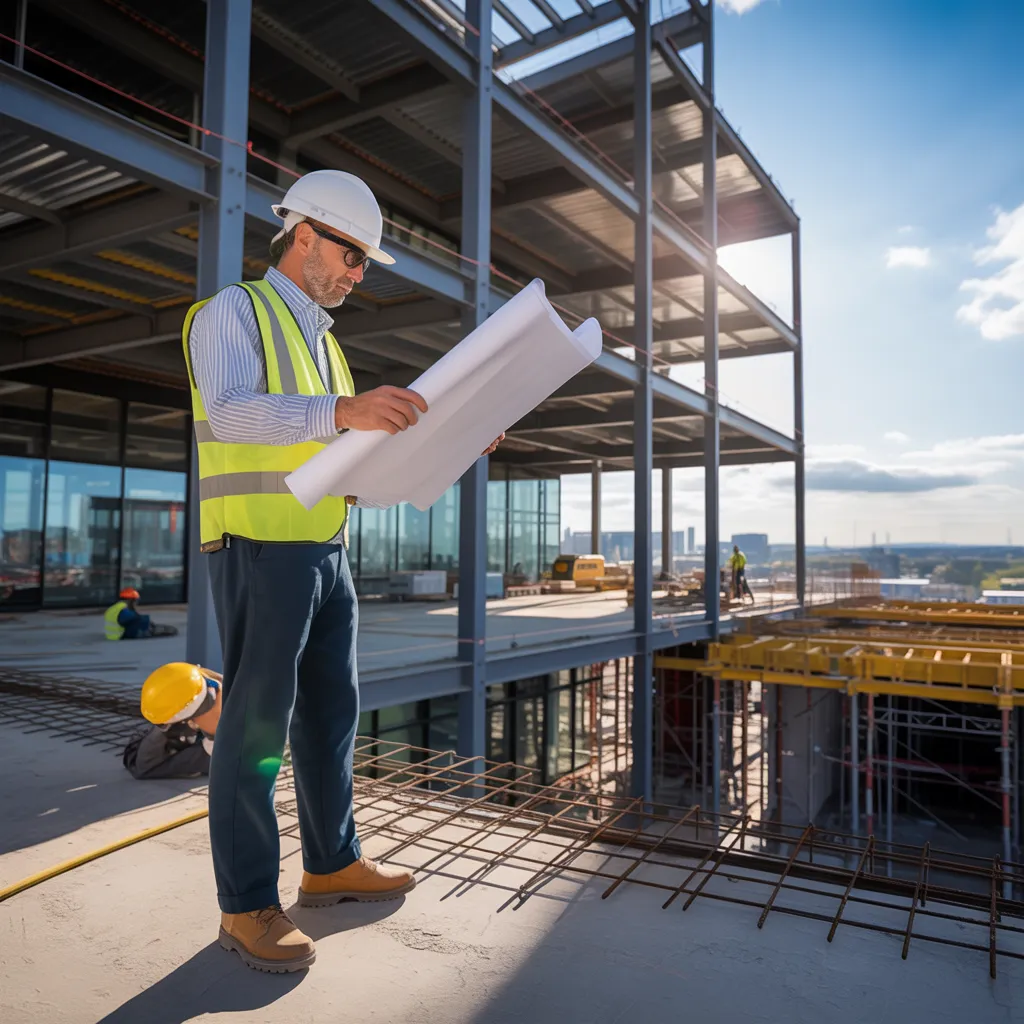
How Architects Contribute to Building Sustainable Spaces
Architects serve a crucial role in the shaping of green spaces, substantially impacting the environmental impact of architectural landscapes. Their knowledge enables the integration of sustainable materials, sustainable energy systems, and innovative design principles that reduce resource use. By championing eco-conscious design, architects are able to develop structures that minimize greenhouse gas output and improve energy efficiency.
Partnership with engineers and environmental specialists is crucial in this process, guaranteeing that both aesthetic and functional criteria are met by designs while upholding environmentally responsible methods. Moreover, the surrounding ecosystem is carefully considered by architects, incorporating natural elements and promoting biodiversity that encourage a balanced connection between the built environment and natural surroundings.
Through deliberate strategy, architects champion the use of sustainable energy options, such as solar or wind power, which also supports sustainable objectives. In the end, their responsibilities reach far beyond building; architects transform the trajectory of city environments by nurturing a focus on sustainable practices and conscientious planning.
Key Innovations in Architectural Design That Improve Functionality
Numerous innovations in modern architecture are reshaping the functionality of today's built environments. A key development is the implementation of advanced technology, permitting buildings to cater to the demands of their users through intelligent lighting, temperature regulation, and security features. This improvement leads to greater energy savings and enhanced occupant comfort.
Moreover, modular building methods are becoming increasingly popular, facilitating more rapid construction and improved design adaptability. These buildings can be conveniently restructured or enlarged, rendering them ideal for a wide range of applications.
Biophilic design, which weaves organic components into architectural design, supports health and efficiency, nurturing a connection between inhabitants and the spaces they inhabit.
Moreover, open floor plans continue to gain popularity, allowing for versatile spaces that can accommodate different activities.
Finally, sustainable materials are being utilized not only for their environmental benefits but also for their attractive appearance and resilience, enhancing the overall functionality of modern structures. These innovations collectively contribute to more adaptable and efficient architectural solutions.
How Design Unites Communities
Design serves a fundamental purpose in nurturing connections within communities, establishing spaces that promote engagement as well as cooperation among residents. Thoughtfully designed recreational areas, open areas, and shared spaces function as indispensable meeting points, fostering social engagement and a feeling of community. Design elements such as open layouts and adaptable environments create avenues for community events and programs, improving the general well-being.
In addition, designs that integrate regional culture and history foster a unique identity, encouraging residents to feel a deeper bond with their surroundings. By emphasizing accessibility and inclusivity, architects make certain that all individuals, regardless of age or ability, can be involved in community life.
The integration of natural elements, such as parks and leisure spaces, greatly enhances the communal living experience, offering residents a sanctuary and a space for collective recreation. At its core, deliberate architectural design not only transforms physical spaces but also strengthens the bonds that hold communities together.
Enhancing Energy Efficiency With Professional Architecture
A major transformation toward energy efficiency is revolutionizing the building design landscape, spurring the development of innovative solutions that reduce environmental impact. Professional architectural services serve a vital function in this change by incorporating sustainable practices into the design process. These architects analyze energy consumption patterns and employ cutting-edge materials, such as top-grade insulation and high-performance glazing, to reduce heating and cooling demands.
Furthermore, the inclusion of renewable energy sources, like geothermal systems and solar panels, not only minimizes dependence on fossil fuels but also lowers overhead expenses for building owners. Intelligent building systems further enhance energy efficiency, facilitating instant oversight and regulation of energy usage.
Through meticulous planning and innovative design, professional architects develop environments that not only adhere to rigorous environmental standards but also promote long-term sustainability. This commitment to energy efficiency ultimately contributes to a greener planet and more robust communities, underscoring the vital role of architecture in combating climate change.
Thriving Urban Landscape Makeovers
One notable example can be found in the transformation of derelict waterfront areas into thriving community spaces, complete with parks, walking paths, and cultural attractions. Such developments do more than improve the scenery, as they also invigorate local economies by drawing in visitors and commercial enterprises.
Beyond this, skilled urban design acknowledges the distinctive features of a neighborhood, guaranteeing that each redesign captures its past and essence. This personalized method cultivates a spirit of ownership among local inhabitants, inspiring guardianship of the area. In essence, effective urban redesigns highlight the power of urban planning to transform the urban environment and contribute to sustainable city living.
What Lies Ahead for Innovative Architecture?
In what ways can innovative architecture keep pace with and address the changing demands of society? With urban landscapes becoming ever more intricate, architects face the critical task of tackling key challenges including sustainability, affordability, and social equity. Emerging technologies, including artificial intelligence and advanced materials, offer new avenues for design, enabling more efficient construction processes and enhanced energy performance.
In addition, architects are continually collaborating with numerous stakeholders, from neighborhood groups to sustainability professionals, making sure designs capture the principles and demands of the people they serve. Such an inclusive strategy builds resilience, empowering constructions to withstand fluctuating ecological circumstances and public expectations.
Furthermore, the incorporation of biophilic design principles promotes well-being, view this guide bridging the gap between inhabitants and the natural environment. As the architectural profession progresses, the commitment to innovative solutions will continue to be essential, driving the profession to develop areas that are both functional and transformative for future generations.
Frequently Asked Questions
How Do Architects and Engineers Collaborate on Projects?
Architects partner with engineers by integrating design concepts with technical requirements, maintaining structural stability and operational efficiency. Frequent meetings enhance communication, enabling both fields to tackle obstacles and advance project success through combined expertise and forward-thinking strategies.
What Are the Costs Associated With Hiring an Architect?
The expenses involved in engaging an architect commonly consist of architectural design fees, project management costs, and potential supplementary charges for site inspections or consultations. These expenses can differ significantly based on project complexity and location.
What Is the Average Timeframe for the Architectural Design Process?
The process of architectural design typically takes several months, subject to project scope and the requirements of the client. Factors such as permits, revisions, and contractor coordination may also affect the overall timeline, often extending the duration considerably.
Are Architects Able to Assist With Zoning and Permit Applications?
Absolutely, architects are able to help with zoning and permit applications. Their professional skills help address challenging regulatory frameworks and ensures adherence to local building codes, making the process more efficient and enhancing the probability of receiving the needed permits for projects.
What Qualities Should I Look for When Hiring an Architect?
When choosing an architect, it is important to prioritize qualifications such as licensing, education, experience in related projects, strong communication skills, and a portfolio that highlights creative thinking and problem-solving capabilities. Relevant specializations should also be considered according to the requirements of your project.